
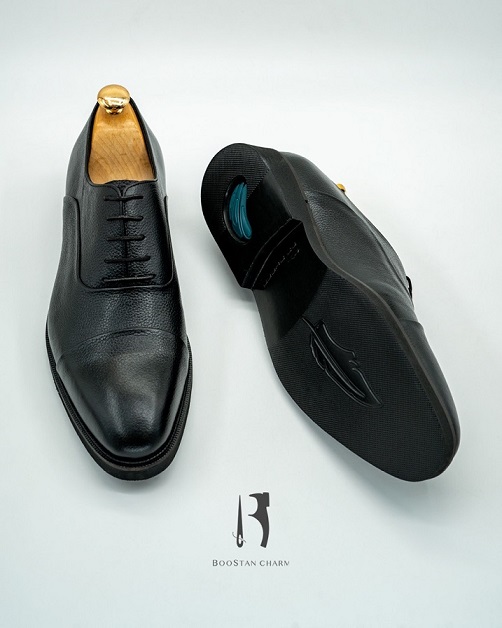
Why Our Handmade Shoes Are Not Cheap
When we talk about handmade shoes, we are not simply talking about footwear. We are talking about a functional piece of art—a product shaped by time, skill, and respect for your feet, not a short-lived consumer good.
The first major difference between handmade shoes and industrial footwear is time. Each pair of handmade shoes goes through multiple detailed stages. From selecting the leather to cutting, lasting, stitching, and final finishing, every step is done by hand. This process takes many hours, sometimes even several days.
Another key factor is the craftsmanship of the shoemaker. Handmade shoes are not produced by machines; they are created by skilled artisans who have spent years working with leather, lasts, and stitching techniques. You are paying for expertise that cannot be replaced by automation.
The quality of materials is also essential. Handmade shoes use high-grade natural leather—leather that breathes, adapts to the shape of your foot, and becomes more beautiful over time. This kind of leather is far more expensive than synthetic or mass-processed materials used in industrial production.
In addition, handmade shoes are usually stitched rather than glued. This traditional construction significantly increases durability and allows the shoes to be repaired and worn for many years. A shoe designed to last cannot—and should not—be cheap.
From a comfort and health perspective, the difference is immediately noticeable. Precise lasts and attention to foot anatomy reduce pressure on the feet, knees, and lower back, making long hours of wear far more comfortable.
Finally, handmade shoes are often produced in limited quantities or made to order. Each pair has its own identity and is created for a specific person, not for mass storage.
So when we ask why handmade shoes are not cheap, the answer is simple:
You are not just buying shoes—you are investing in quality, durability, craftsmanship, and respect for your feet.
Leave a comment