
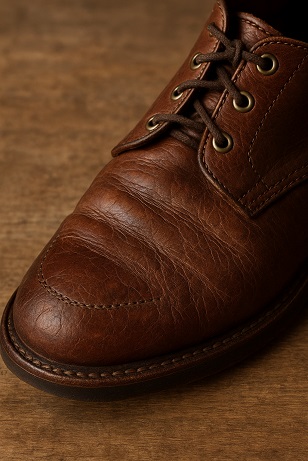
How Does Leather Age? A Complete Guide for Customers
Leather is a natural and living material; that’s why it changes over time, develops character, and transforms in appearance. This process—known as Aging Leather—can enhance the beauty and value of leather products, but if not properly cared for, it may also lead to wear and deterioration.
In this article, we’ll explain how leather ages, what causes it, and how you can prevent damage.
How Does Leather Age?
The aging process of leather is influenced by environmental factors, usage habits, and the quality of the leather itself. These changes may include darkening or lightening of the color, developing a natural sheen, softening, or, conversely, becoming dry and brittle.
Below are the main factors that affect leather aging:
1. Oxidation
When leather is exposed to air, the natural oils and fats inside it begin to oxidize. This natural process causes:
- The leather color to become slightly darker
- The surface to develop a natural sheen (patina)
- The material to gradually become a bit drier
Patina is the beautiful, vintage shine that appears on high-quality leather over time.
2. Evaporation of Natural Oils and Moisture
Leather needs its natural oils to remain flexible and strong. Over time and with continuous use:
- Leather loses moisture
- The chances of dryness and surface cracks increase
- The texture becomes stiffer
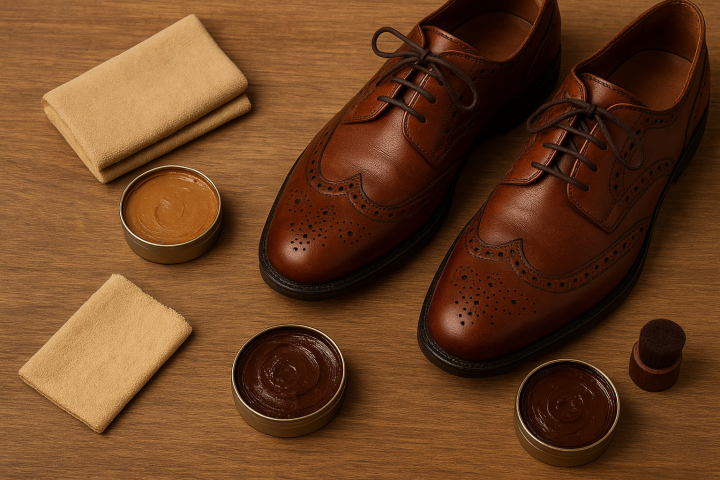
That’s why conditioning leather with proper waxes and oils is essential.
3. Sunlight and UV Exposure
Direct sunlight is one of the most damaging factors for leather. Prolonged exposure can cause:
- Light-colored leather to yellow or become dull
- Dark leather to fade or lose its richness
- The texture to become more fragile
4. Humidity and Temperature
Environmental conditions play a major role:
- High humidity: mold growth, excessive softening, deformation
- Excessive dryness: brittleness and cracking
- Sudden temperature changes: warping or misshaping
Leather performs best in moderate environments.
5. Use and Friction
Gradual use leads to visible changes in leather:
- Natural creases and wear lines
- Softening in high-friction areas
- Development of a rich and beautiful patina
These characteristics usually indicate authenticity and high-quality natural leather.
Is Leather Aging a Good or Bad Thing?
It depends on the quality of the leather.
✔ High-quality leather:
Aging enhances its beauty and creates a desirable patina, increasing the product’s value.
✘ Low-quality leather:
It quickly cracks, peels, and deteriorates.
How to Prevent Premature Leather Aging
To extend the lifespan of your leather products:
- Keep them away from direct sunlight
- Store them in dry, moderate environments
- Condition the leather regularly with appropriate products
- Avoid exposing leather shoes, belts, or bags to water or chemicals
Leave a comment