
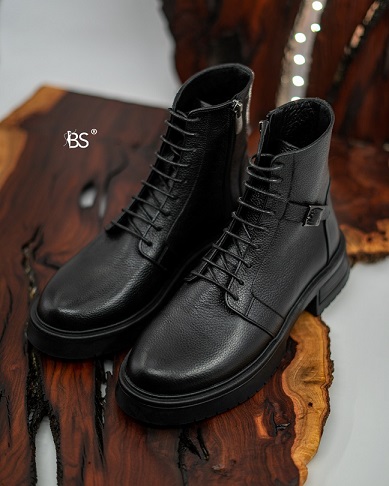
Five Common Tricks Stores Use When Claiming Their Leather Is “Genuine"
The leather market has become increasingly crowded with synthetic and low-quality alternatives that closely resemble real leather. As a result, many customers struggle to distinguish genuine leather from artificial substitutes. Unfortunately, some stores use misleading tactics to sell inferior materials as high-quality leather.
In this article, we review five common tricks used when presenting products as “natural leather” so you can buy with confidence.
1) Selling Synthetic Leather as Genuine Leather
Modern faux leather looks surprisingly similar to real leather. Some sellers simply show the back side of the material to convince buyers — even though synthetic fibers can easily be imitated.
How to identify: the natural smell, subtle irregularities, and non-repetitive grain patterns.
2) Low-grade or Damaged Leather Marketed as Premium
Some stores present leather full of scars, holes, and weak structure as “top quality.”
How to identify: premium leather generally has a cleaner, more consistent surface.
3) Selling Split Leather as Full Grain or Top Grain
Split leather comes from the lower layers of the hide and is significantly less durable. Still, many sellers claim it is “high-grade genuine leather.”
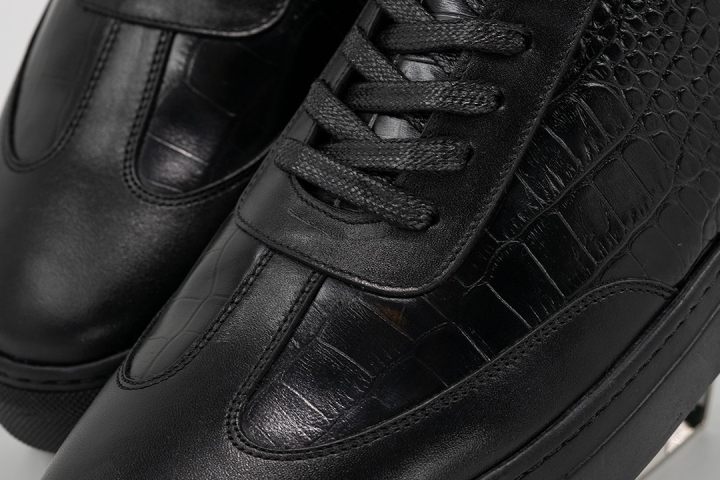
How to identify: the surface is often covered with a heavy finish or printed pattern.
4) Claims Like “Scratch-Proof” or “Wax-Friendly” for Coated Leather
Real leather takes light scratches and absorbs wax. PU-coated leathers do not.
How to identify: make a small surface scratch and rub it — genuine leather reacts naturally.
5) Misleading Labels and Terms
Phrases such as “industrial leather,” “compressed leather,” or “eco-synthetic leather” usually refer to PVC, PU, or bonded leather.
How to identify: very low price and overly uniform texture.
When in doubt, buy from reputable sellers and always ask about the leather grade, tanning method, and finish. Knowledge is your best protection.
Leave a comment